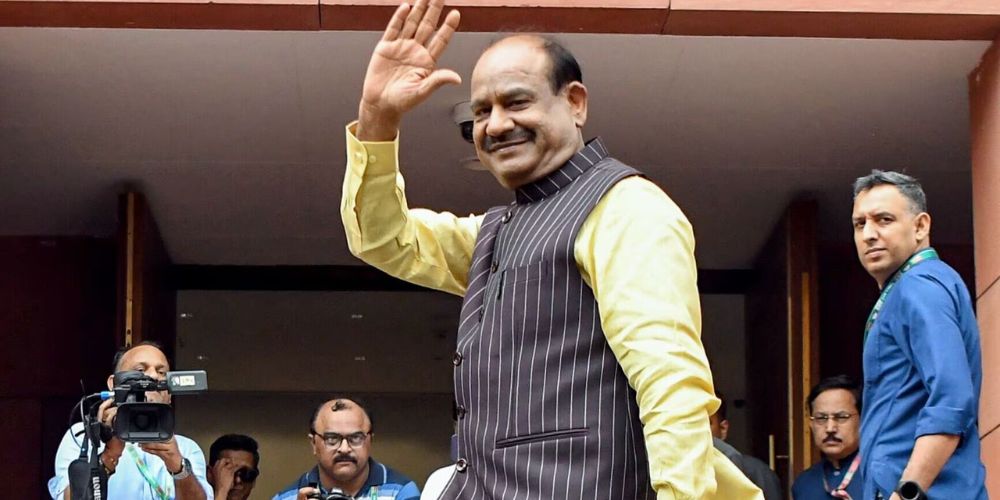
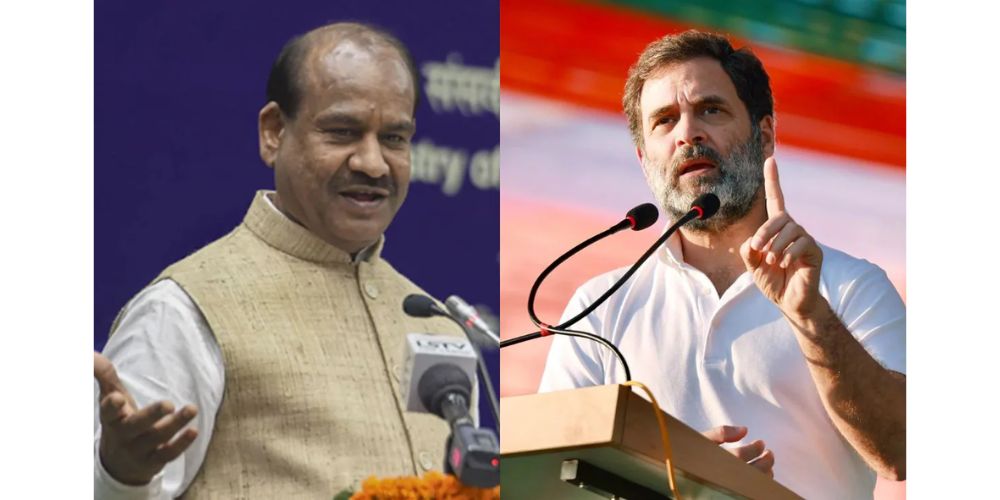
In a recent session of the Lok Sabha, Speaker Om Birla underscored the importance of maintaining decorum within the parliamentary proceedings. Addressing Leader of the Opposition Rahul Gandhi, Speaker Birla invoked Rule 349, which mandates that members exhibit appropriate conduct in the House. He emphasized that various family members—fathers, mothers, wives, daughters, and sons—have served as members of the House, highlighting the expectation of responsible behavior from all parliamentarians.
Context of the Reminder
While Speaker Birla did not specify the incidents prompting his remarks, reports suggest that certain behaviors within the House had drawn attention. Some Members of Parliament indicated that Gandhi’s public displays of affection towards his sister, Congress MP Priyanka Gandhi Vadra, during parliamentary sessions had caused discomfort among members. Such conduct was perceived as inconsistent with the decorum expected in the legislative assembly.
The Significance of Rule 349
Rule 349 of the Lok Sabha’s Rules of Procedure and Conduct of Business serves as a cornerstone for ensuring orderly and respectful discourse within the House. By referencing this rule, Speaker Birla highlighted the collective responsibility of all members to uphold the dignity of the institution through their behavior and interactions.
Historical Precedents and Expectations
The Indian Parliament has a rich history of family members serving simultaneously or successively as representatives. Speaker Birla’s mention of fathers, mothers, wives, daughters, and sons who have been part of the House underscores the expectation that personal relationships should not overshadow the formal and respectful environment of parliamentary proceedings.
Broader Implications for Parliamentary Conduct
This episode brings to light the broader discourse on maintaining decorum within India’s legislative bodies. The Speaker’s role as the custodian of parliamentary conduct is pivotal in ensuring that debates and discussions, while robust, adhere to established norms of respect and propriety. Members are reminded that their actions set precedents and reflect the integrity of the democratic process.
Conclusion
Speaker Om Birla’s subtle reminder to Rahul Gandhi serves as a pertinent call for all parliamentarians to reflect on their conduct within the House. Upholding the sanctity of parliamentary procedures is essential for fostering constructive debate and maintaining public confidence in democratic institutions. As representatives of the people, members bear the responsibility to exemplify behavior that aligns with the esteemed traditions and expectations of the Indian Parliament.