

India’s Commitment to Regional Solidarity
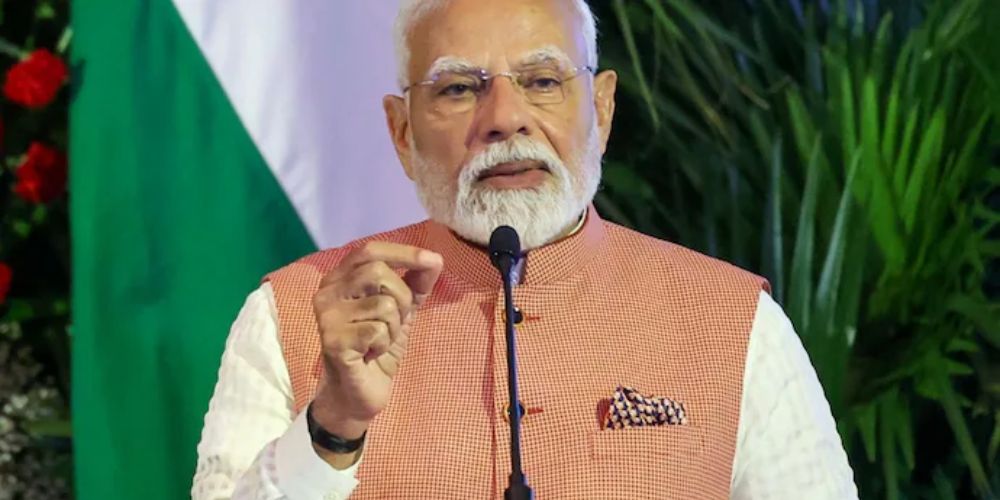
In response to the recent earthquake that struck Thailand and Myanmar, Prime Minister Narendra Modi affirmed India’s readiness to provide all possible assistance. The earthquake caused significant tremors, leading to infrastructure damage and raising concerns about the well-being of affected communities. As part of its “Neighborhood First” policy, India has stepped forward to extend humanitarian aid and support to both nations during this challenging time.
Prime Minister Modi expressed his deep concern for the people affected by the disaster. He emphasized that India stands in solidarity with its neighbors and will provide all necessary relief measures. This gesture reflects India’s long-standing commitment to regional cooperation and its proactive approach to assisting neighboring countries during natural disasters.
India’s Swift Humanitarian Response
Following the earthquake, the Indian government promptly activated its disaster relief mechanisms. India is known for its rapid and effective humanitarian responses, and this situation is no exception. The government is preparing to send relief materials, including essential supplies such as food, medicines, and temporary shelters, to the affected regions in Thailand and Myanmar.
The Ministry of External Affairs, in coordination with disaster management agencies, is working closely with the authorities in both countries to assess their needs. India’s quick response highlights its preparedness and willingness to provide immediate assistance in times of crisis. This collaborative effort underscores India’s role as a responsible regional power committed to supporting its neighbors.
Strengthening Diplomatic and Humanitarian Ties
India’s offer of assistance goes beyond providing immediate relief; it also reinforces diplomatic and humanitarian bonds with Thailand and Myanmar. Both nations share deep-rooted historical and cultural ties with India, and this gesture of solidarity further strengthens those relationships.
By extending help during emergencies, India not only fosters goodwill but also promotes regional stability. This assistance reflects India’s broader foreign policy objectives of maintaining strong bilateral relations while contributing to the welfare of neighboring nations. Such efforts demonstrate India’s ability to lead in regional cooperation and humanitarian diplomacy, fostering trust and collaboration across borders.
India’s Ongoing Commitment to Disaster Relief and Regional Solidarity
India’s commitment to aiding Myanmar and Thailand in the wake of the recent earthquake reflects a larger diplomatic and humanitarian strategy. Over the years, India has consistently provided disaster relief to neighboring countries affected by natural calamities, reinforcing its image as a responsible regional power. This outreach is not merely an act of compassion—it also highlights India’s strategic interest in fostering stronger bilateral ties and maintaining regional stability.
In response to the earthquake, India swiftly mobilized resources to offer aid, demonstrating its capacity to lead in crisis situations. This action aligns with India’s “Neighborhood First” policy, which emphasizes supporting regional partners during times of need. The Indian government’s prompt assistance to Myanmar underscores its proactive approach to disaster management and its commitment to fostering goodwill across Southeast Asia. By offering critical relief, India not only alleviates immediate suffering but also enhances its standing as a dependable ally during emergencies.
India’s Diplomatic Messaging Through Humanitarian Assistance
The decision to extend aid carries significant diplomatic weight. By reaching out to Myanmar and Thailand, India signals its commitment to regional cooperation and shared responsibility. This move also serves as a counterbalance to other major powers seeking influence in Southeast Asia. For Myanmar, in particular, India’s assistance comes at a critical time as the nation grapples with internal challenges. Providing humanitarian aid allows India to strengthen its ties with the Myanmar government while demonstrating its capability to act decisively during crises.
Beyond emergency relief, India’s assistance to Myanmar also reflects its broader foreign policy objectives. Strengthening relations with Myanmar is strategically crucial for India’s northeastern states, where cross-border cooperation plays a key role in maintaining peace and promoting trade. By offering aid in a time of crisis, India not only addresses humanitarian concerns but also secures its long-term strategic interests in the region.
Congress’s Stance on India’s Humanitarian Efforts
The Indian National Congress has expressed both support and skepticism regarding the government’s approach to humanitarian aid. While recognizing the importance of assisting neighbors in crisis, Congress has raised concerns about transparency in the allocation of resources and the long-term implications for India’s domestic priorities. Leaders within the party have emphasized that while regional cooperation is essential, the government must also ensure that critical domestic needs are not overlooked.
Additionally, Congress has called for increased parliamentary oversight on foreign aid expenditures. This position reflects a broader concern about balancing humanitarian commitments abroad with pressing social and economic challenges at home. By maintaining a critical stance, Congress positions itself as a watchdog, advocating for responsible governance while acknowledging the necessity of regional solidarity.
Future Implications for India-Myanmar Relations
India’s humanitarian assistance to Myanmar could have lasting implications for bilateral relations and regional dynamics. Strengthened ties with Myanmar are vital for India’s Act East Policy, which aims to enhance connectivity and economic collaboration with Southeast Asian nations. This aid package serves as both a humanitarian gesture and a strategic investment in future diplomatic cooperation.
The success of India’s aid initiatives will likely influence future diplomatic engagements and regional partnerships. By demonstrating its ability to provide timely and effective relief, India reinforces its leadership role in Southeast Asia. Simultaneously, the Indian government must balance these international commitments with addressing domestic needs—a challenge that Congress continues to highlight.
In the long run, India’s proactive approach to disaster relief in Myanmar and Thailand underscores its vision of regional solidarity and shared progress. This commitment not only strengthens bilateral relations but also affirms India’s role as a key player in shaping Southeast Asia’s humanitarian and geopolitical landscape.
For More News Update – Dailynewfeeds


