Om Birla Responds to Opposition’s Allegations
Lok Sabha Speaker Om Birla firmly addressed the opposition’s complaints regarding the functioning of the House, asserting that microphones will be activated only with his permission. His remarks came after opposition leaders accused the government of curbing their voices and restricting debates. Birla’s statement highlighted his stance on maintaining order and decorum during parliamentary proceedings.
The opposition raised concerns over their microphones being muted during crucial discussions. They claimed this move was an attempt to stifle dissent and prevent them from raising issues of public interest. Birla, however, refuted these allegations, insisting that the microphones would function as per established rules and only when he allows.
Opposition’s Criticism of Parliamentary Conduct
Opposition parties have been vocal about what they perceive as an erosion of democratic norms in the Lok Sabha. They argue that their ability to speak on pressing issues is being systematically curtailed. Several opposition leaders claimed that their microphones remained inactive during discussions on significant topics, preventing them from effectively voicing their concerns.
The opposition views this as a broader pattern of silencing dissenting voices in Parliament. They argue that open dialogue is essential for a functioning democracy and allege that the government is using procedural mechanisms to avoid accountability. This dispute has intensified the ongoing friction between the ruling party and the opposition, further disrupting legislative work.
Speaker Om Birla’s Defense of Parliamentary Procedures
In response to these allegations, Om Birla emphasized that parliamentary rules govern the functioning of microphones and debates. He insisted that the Speaker’s role is to ensure discipline and fairness in the House and that his decisions are made impartially. Birla argued that microphones are not being selectively turned off but are managed to maintain the decorum of the proceedings.
He also pointed out that all members have opportunities to express their views if they follow proper procedures. Birla’s firm stance reflects his commitment to preserving the order of the House while balancing the right of members to participate in discussions. Despite the opposition’s claims, Birla reaffirmed that his decisions are consistent with parliamentary norms and practices.
A Battle Over Parliamentary Procedures
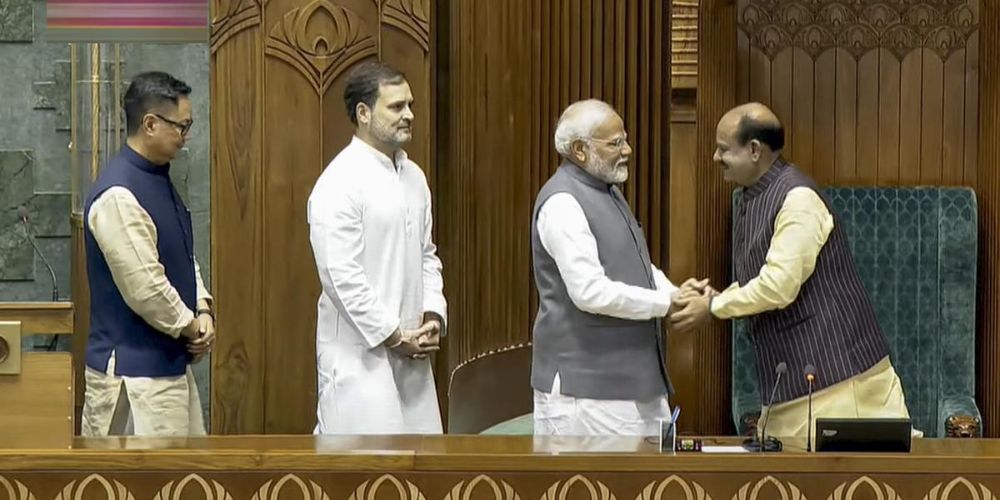
The recent dispute over microphone control in Parliament has escalated tensions between the ruling party and the opposition, bringing Speaker Om Birla into the spotlight. The opposition has accused the Speaker of restricting their right to voice concerns by controlling when their microphones are activated. In response, Om Birla has defended his actions, stating that the microphone is managed strictly according to parliamentary rules and procedures.
The controversy stems from opposition claims that their voices are being silenced on critical issues, limiting open debate and undermining democratic principles. For the opposition, the ability to speak freely in Parliament is a fundamental right, and they argue that controlling the microphone infringes upon this freedom. On the other hand, Om Birla maintains that maintaining order and discipline is crucial to ensure the smooth functioning of the legislative process. By enforcing these regulations, he aims to prevent disruptions and uphold the dignity of parliamentary discussions.
Om Birla’s Stance on Maintaining Parliamentary Order
Om Birla, as the Speaker of the Lok Sabha, has consistently emphasized the importance of maintaining decorum and ensuring that parliamentary sessions are conducted without chaos. His recent comments highlight a firm stance on preserving institutional integrity while allowing fair participation. Birla has clarified that microphone management is not an arbitrary decision but is governed by established parliamentary rules, ensuring all voices are heard in an organized manner.
In his defense, Om Birla pointed out that the opposition is granted time to present their views under specific procedures. However, when members deviate from the agenda or cause disruptions, it becomes necessary to manage speaking privileges. By adhering to these guidelines, Birla asserts that he is protecting the sanctity of Parliament while providing a platform for meaningful dialogue. This measured approach reflects his commitment to balancing free expression with procedural order, even as opposition members continue to question the fairness of microphone control.
The Opposition’s Concerns and Growing Tensions
For the opposition, the issue goes beyond microphone control—it represents a broader concern about the perceived erosion of democratic values. They argue that controlling access to the microphone is a deliberate strategy to suppress dissent and curtail debate on critical matters. This perceived bias, they claim, limits their ability to question the government effectively and diminishes the accountability essential to a healthy democracy.
Opposition leaders have also highlighted instances where they believe their voices were muted during key discussions. They contend that such actions undermine transparency and weaken the public’s trust in parliamentary proceedings. This ongoing conflict has led to heated exchanges in the House, with opposition members staging walkouts and protests to draw attention to what they see as an infringement on their rights. These public demonstrations further intensify the political divide, as both sides remain firmly entrenched in their positions.
Implications for Parliamentary Democracy
The controversy surrounding microphone control under Om Birla’s leadership reflects deeper questions about parliamentary democracy and governance. At its core, the debate centers on the balance between ensuring orderly debate and safeguarding the right to free speech. How this conflict is resolved could set a precedent for future parliamentary conduct and the relationship between the ruling party and the opposition.
Om Birla’s handling of the situation may also shape perceptions of his legacy as Speaker. His supporters argue that he is committed to upholding the integrity of parliamentary processes by enforcing rules without bias. Critics, however, view his actions as symptomatic of a broader attempt to centralize power and limit democratic discourse. As these tensions unfold, the outcome could influence how future Speakers manage similar disputes and define the boundaries of free expression within the nation’s highest legislative body.
The clash over microphone control is more than a procedural disagreement—it is a reflection of the ongoing struggle between competing political visions for the country. Whether Om Birla’s firm stance prevails or the opposition’s push for greater freedom gains momentum, the resolution of this conflict will have lasting implications for parliamentary democracy in India.
For More Update Visit – Dailynewfeeds