Introduction
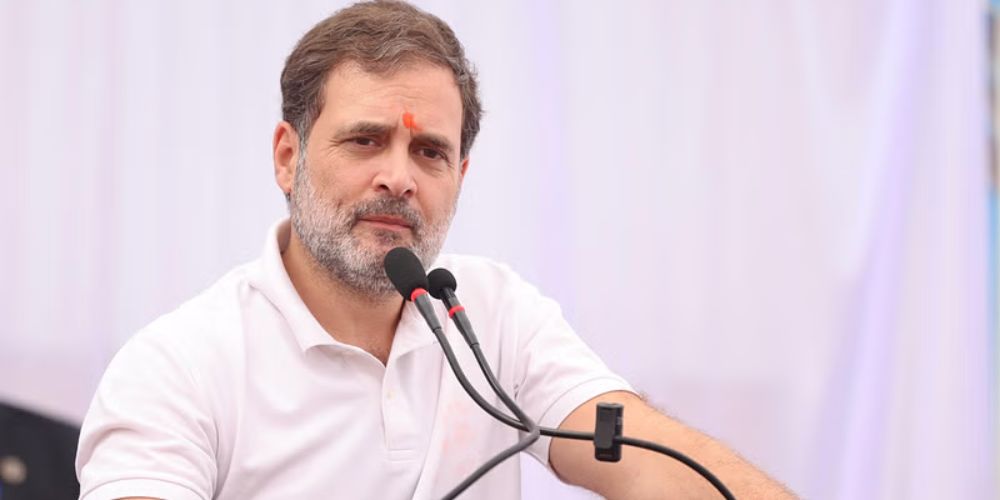
The absence of Rahul Gandhi from the Lok Sabha for the fourth consecutive day has sparked intense political discussions. As a prominent leader of the Congress party and a key figure in opposition politics, his non-attendance has drawn reactions from various quarters. Given the ongoing parliamentary session and critical discussions on national issues, his absence has raised questions about his political priorities and strategy.
In a parliamentary democracy, active participation in legislative proceedings is considered essential for holding the government accountable and voicing concerns on behalf of the electorate. When a senior leader like Rahul Gandhi is missing from debates and discussions, it naturally leads to speculation about his intentions and the broader implications for his party. Whether his absence is strategic, circumstantial, or indicative of larger political shifts remains a subject of debate.
The Political Significance of Rahul Gandhi’s Absence
As the face of the Congress party and a key opposition figure, Rahul Gandhi’s presence in the Lok Sabha carries significant political weight. His speeches and interventions often set the tone for the party’s stance on national issues, influencing public perception and media narratives. His absence from parliamentary proceedings, especially during crucial debates, creates a leadership vacuum that both allies and critics take note of.
The opposition plays a crucial role in democracy by questioning government policies, debating legislation, and advocating for alternative governance models. A leader of Rahul Gandhi’s stature is expected to be at the forefront of these activities. His repeated absence, therefore, raises concerns within the party’s ranks as well as among its supporters, who look to him for direction and leadership.
Reactions from Political Circles and Public Perception
Unsurprisingly, Rahul Gandhi’s continued absence from the Lok Sabha has triggered sharp reactions from political adversaries. The ruling party has seized the opportunity to question his commitment to parliamentary responsibilities, portraying his non-attendance as a sign of disinterest in national affairs. Some leaders have gone as far as to accuse him of neglecting his duty as an elected representative.
Within the Congress party, reactions have been more measured. While some members have defended his absence by citing prior commitments or personal reasons, others acknowledge that it sends a mixed message to the electorate. For a party aiming to revive its political fortunes, consistent engagement in parliamentary debates is crucial. The perception of disengagement could potentially weaken the party’s credibility and electoral appeal.
Strategic Absence or Tactical Move?
Rahul Gandhi’s absence from the Lok Sabha may not necessarily be a matter of neglect but could be part of a broader political strategy. He has often positioned himself as a leader who engages with the people directly rather than being confined to legislative debates. His frequent public outreach programs, Bharat Jodo Yatra, and engagement with grassroots movements indicate a preference for direct political activism over procedural politics.
However, in a democracy where parliamentary debates shape policies and governance, the opposition’s role is vital in influencing decision-making processes. If Rahul Gandhi’s absence is indeed a tactical move, it must be weighed against the potential perception of indifference towards crucial legislative matters. Finding a balance between on-ground activism and parliamentary participation remains a challenge for political leaders seeking to make a lasting impact.
The Road Ahead for Congress and Its Leadership
The Congress party has been striving to reclaim its political relevance, particularly in the face of a strong ruling party and a shifting electoral landscape. Rahul Gandhi remains a central figure in this effort, with his leadership style and political approach shaping the party’s direction. His absence from Parliament, however, highlights the need for a clearer and more consistent strategy regarding his role in legislative affairs.
As the party prepares for upcoming elections, it must address concerns about leadership visibility and engagement. While public outreach is crucial, active participation in legislative processes is equally important for establishing credibility. Rahul Gandhi’s absence from the Lok Sabha raises critical questions about how the Congress leadership plans to balance these aspects moving forward.
Conclusion
The continued absence of Rahul Gandhi from the Lok Sabha has ignited political discussions, raising questions about his leadership approach and parliamentary responsibilities. While his engagement with public movements and grassroots activism remains a strong aspect of his political identity, his non-attendance in legislative debates creates room for criticism and speculation. The Congress party must navigate this challenge by ensuring that its leadership remains visible, engaged, and proactive in both parliamentary and public spheres. How Rahul Gandhi positions himself in the coming months will play a crucial role in shaping his political narrative and the future of the Congress party.