Introduction
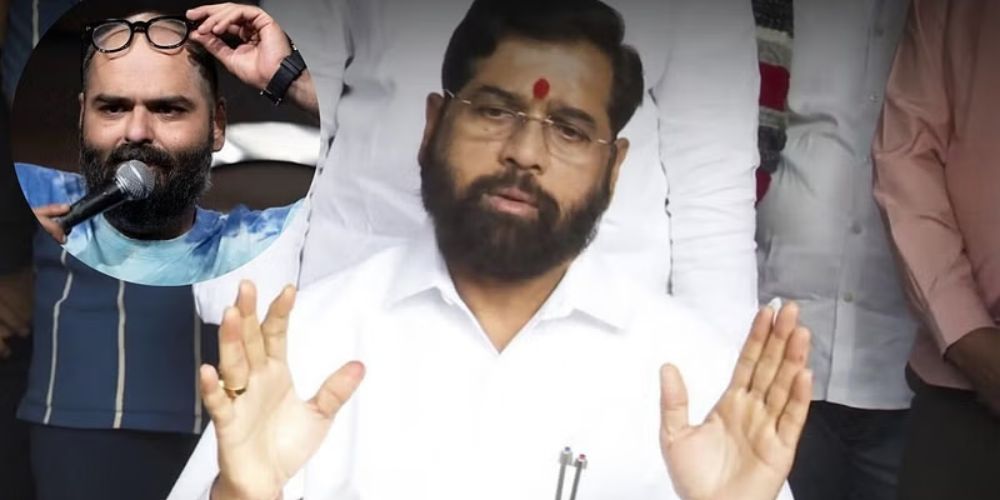
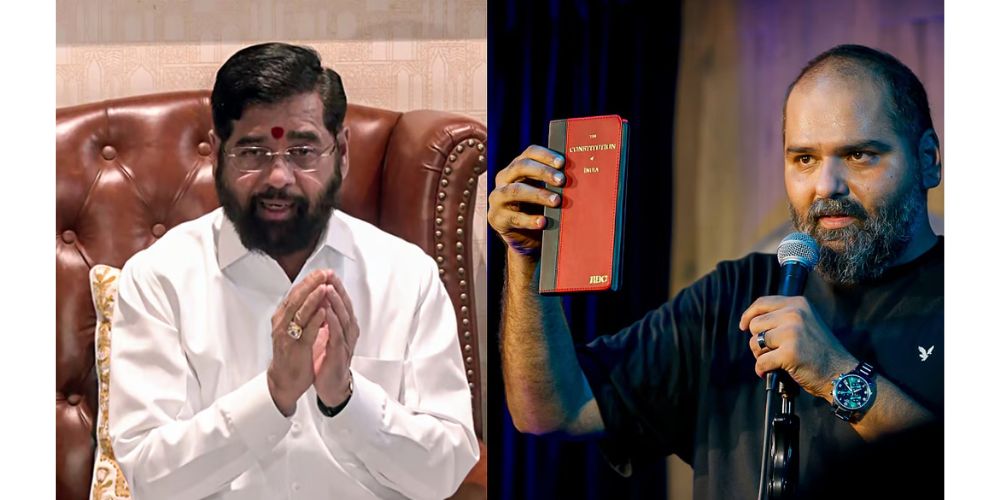
Stand-up comedian Kunal Kamra has once again found himself at the center of legal proceedings as the Mumbai police issued a third summons, directing him to appear on April 5. This latest development follows ongoing legal troubles that have drawn attention to issues surrounding free speech, satire, and the boundaries of expression in India.
The repeated summons raises questions about the nature of the case against Kamra and the broader implications for artists and social commentators. As the controversy unfolds, it has sparked discussions about the legal landscape governing speech and whether comedians face an increasing crackdown in the name of law and order.
Kunal Kamra Summoned for the Third Time
The Mumbai police’s decision to summon Kunal Kamra for a third time signals that authorities are intensifying their legal pursuit. While the specifics of the case remain a subject of legal scrutiny, it is evident that Kamra’s outspoken views and satirical commentary have placed him in the crosshairs of law enforcement.
Kamra, known for his sharp political satire, has often courted controversy for his criticism of government policies and judicial decisions. His brand of humor, which blends wit with social critique, has garnered both praise and legal troubles. The repeated summons indicate that authorities are keen on pursuing the case, potentially setting a precedent for how dissenting voices are handled in public discourse.
The Legal and Political Context of Kamra’s Summons
Kunal Kamra’s legal challenges reflect a larger debate on freedom of speech in India. In recent years, several comedians, journalists, and activists have faced legal action for their comments on political and social issues. The comedian’s supporters argue that satire should be protected as a form of free expression, while critics believe that certain statements cross legal and ethical boundaries.
The summons also highlight the increasing role of law enforcement in regulating online content and public statements. With social media amplifying voices, the question of what constitutes acceptable speech has become a contentious issue. The case against Kamra is not just about a single individual—it represents a broader clash between satire and state power.
The Impact of Legal Action on Artistic Freedom
The legal proceedings against Kunal Kamra could have a chilling effect on comedians and other artists who use humor as a tool for critique. When legal action is taken against satirical content, it raises concerns about censorship and the shrinking space for free expression in democratic societies.
Comedians play a crucial role in highlighting societal issues, often using humor to address uncomfortable truths. If legal pressures continue to mount on figures like Kamra, it could discourage others from engaging in political or social satire. The outcome of this case may set a significant precedent for how the legal system handles cases involving humor and political criticism.
Conclusion
The third summons issued to Kunal Kamra by the Mumbai police marks a critical juncture in the ongoing debate over free speech and legal boundaries in India. As the comedian prepares to appear before authorities on April 5, the case serves as a reflection of the evolving relationship between satire, politics, and the law. Whether this leads to legal consequences or reinforces the importance of artistic freedom remains to be seen, but it has undoubtedly reignited conversations on the limits of speech and expression in the country.
For More News Update –Dailynewfeeds