Introduction
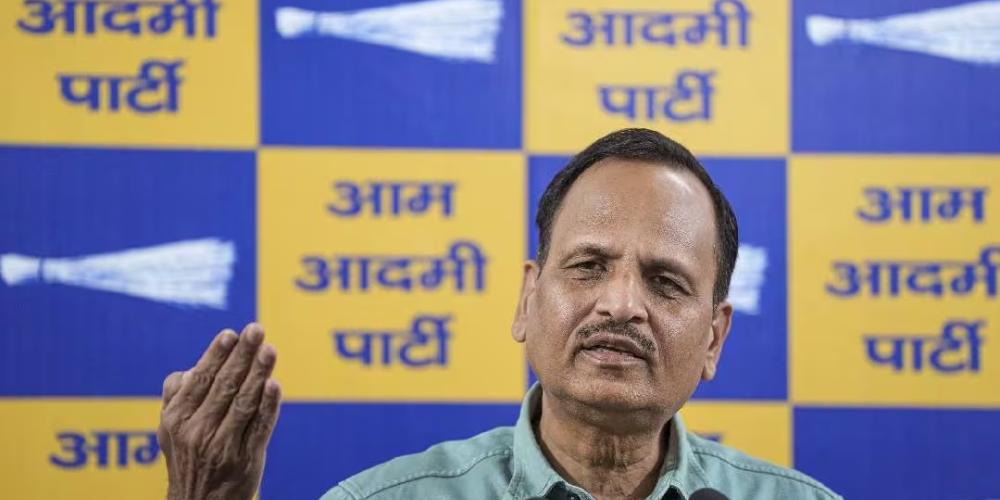
AAP leader and former Delhi minister Satyendra Jain has once again found himself at the center of controversy after being booked for alleged corruption and bribery charges related to a CCTV project in the capital. The case, registered by an Assistant Commissioner of Police (ACP), accuses Jain of financial irregularities and misconduct in the execution of the project.
This development has added to the ongoing legal troubles of the AAP leader, who was previously arrested in a money laundering case. While the ruling AAP has dismissed the charges as politically motivated, the case has reignited debates on corruption in governance.
Allegations in the CCTV Project Case
According to reports, the charges against Satyendra Jain stem from alleged corruption in the awarding of contracts for installing CCTV cameras across Delhi. The project, which was introduced as a security measure to improve surveillance in public spaces, has come under scrutiny due to allegations of financial mismanagement and favoritism in contractor selection.
The ACP’s complaint suggests that Jain, during his tenure as Delhi’s Minister for Public Works Department (PWD), played a role in manipulating the tender process. Allegations include accepting bribes in exchange for awarding contracts to specific vendors, leading to concerns about transparency and misuse of public funds.
AAP leaders have rejected these accusations, calling them a deliberate attempt to tarnish the party’s image. They argue that the CCTV project was executed with public interest in mind and that the charges are an effort to derail AAP’s governance model.
Political Reactions and BJP’s Stand
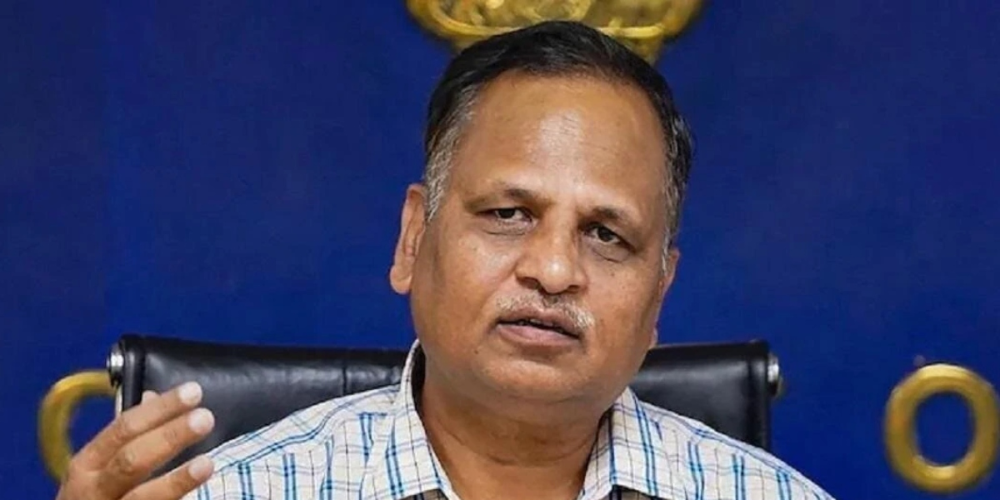
The case has triggered sharp political reactions, with the BJP seizing the opportunity to attack AAP on corruption claims. BJP leaders have accused the Delhi government of engaging in systematic corruption under the guise of public welfare projects. They argue that the latest allegations confirm their long-standing claim that AAP leaders, despite their anti-corruption rhetoric, are involved in financial misconduct.
AAP, on the other hand, has hit back by alleging that the charges are politically motivated and part of a broader strategy to weaken the party. They claim that agencies and officials are being used to target opposition leaders ahead of elections. Delhi Chief Minister Arvind Kejriwal has defended Jain, stating that such allegations are a distraction from real governance issues.
Legal Ramifications and Road Ahead
With a formal case now registered, the legal proceedings against Satyendra Jain could intensify in the coming days. If found guilty, he could face serious legal consequences, further complicating his political career and adding pressure on AAP.
This case also brings to light the broader issue of corruption allegations in infrastructure projects. Transparency in public projects remains a crucial topic, and the outcome of this case could set an important precedent for accountability in governance.
Conclusion
The corruption case against Satyendra Jain has once again put AAP in the spotlight, fueling political debates and raising questions about governance transparency. While the party maintains that the allegations are baseless, the legal proceedings will determine whether the charges hold weight. As the investigation unfolds, the case could have significant implications for AAP’s image and the broader political landscape in Delhi.