Introduction
The unexplained death of Vimal Negi, General Manager (Engineering) at the Himachal Pradesh Power Corporation Limited (HPPCL), has shaken the hill state’s administrative corridors and ignited a fierce political storm. Found dead on March 18 in Bilaspur district after being reported missing on March 10, Negi’s demise has prompted allegations of mental harassment by senior HPPCL officials and calls for a high‑powered, independent probe. In the midst of mounting pressure, Chief Minister Sukhvinder Singh Sukhu declared that the Himachal govt is open to any form of investigation—be it by the state police, CBI, or any other central agency. This 1,600‑word blog unpacks the circumstances of the case, CM Sukhu’s statement on being “open to any form of investigation,” the BJP’s demand for a CBI inquiry, the legal and procedural avenues available, and the broader implications for governance and accountability in Himachal Pradesh.
1. The Tragic Sequence: From Disappearance to Discovery
On March 10, Vimal Negi left his office in Bilaspur and never returned home. Colleagues and family members reported him missing, triggering searches by local police and volunteers. Eight days later, his body was retrieved from a water body in the same district. Initial post‑mortem reports were inconclusive, leaving open questions about whether his death was an accident, suicide, or homicide.
Negi’s wife and relatives alleged that he had been subjected to undue pressure and mental harassment by senior HPPCL officials over purported financial irregularities in project management. They claimed that despite his deteriorating health, he was forced to work late hours and faced constant intimidation. These allegations spurred protests by HPPCL employees and Negi’s family outside the corporation’s headquarters, with placards directly naming the Managing Director and other senior officers as responsible for driving him to despair.
2. CM Sukhu’s Assurance: “Open to Any Form of Investigation”
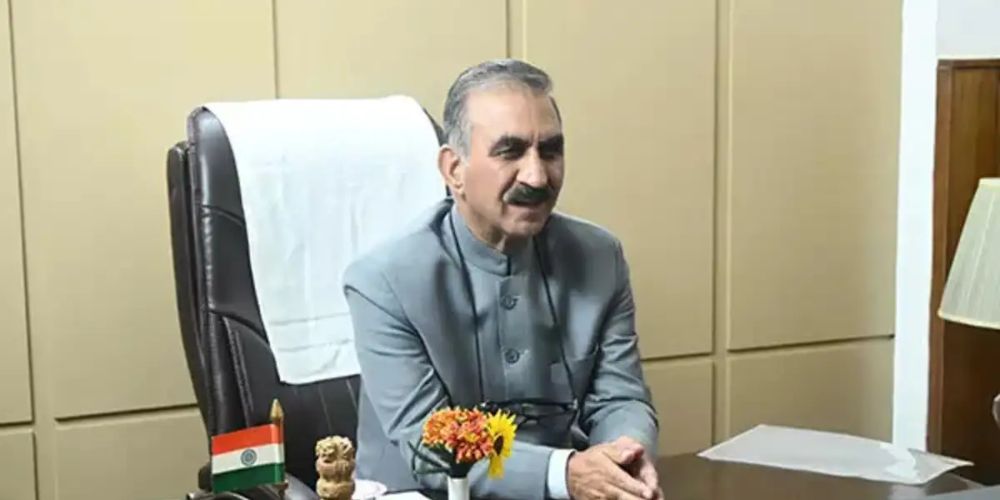
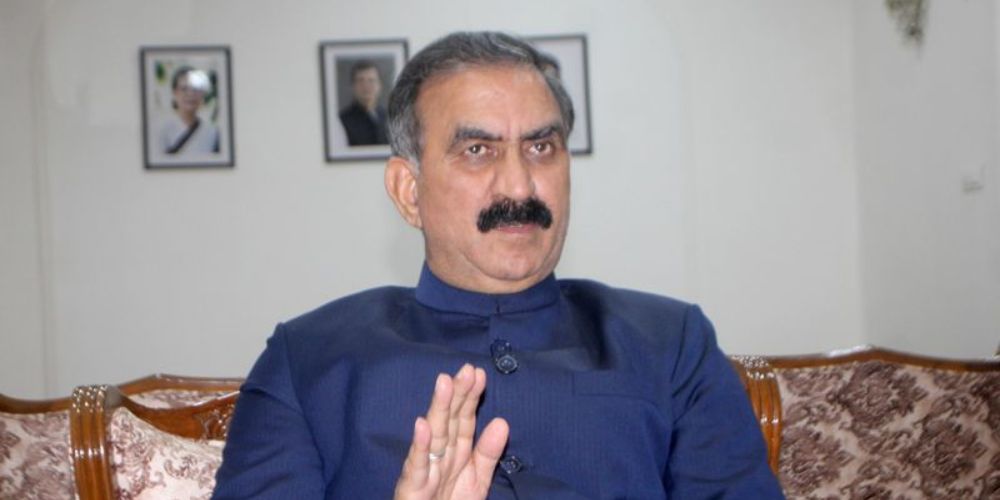
In a bid to quell political tensions and demonstrate transparency, Chief Minister Sukhvinder Singh Sukhu publicly stated that the state government is open to any form of investigation into Vimal Negi’s death. Speaking at the foundation‑stone ceremony for Phase II of the historic Ellerslie Building in Shimla, Sukhu challenged critics to seek the highest level of probe: “If the Enforcement Directorate can conduct raids in Nadaun, then who is stopping the CBI from carrying out an investigation into this matter?”
By affirming that the Himachal government stands ready for a CBI inquiry—or any other central or independent probe—Sukhu sought to position his administration as committed to uncovering the truth, free from political interference. He emphasized that the government treats the case with “utmost sensitivity and seriousness,” and that Negi’s bereaved family has his full sympathy and support.
3. BJP’s Counter: Demand for a CBI Probe
The opposition BJP, led in Himachal Pradesh by Leader of Opposition Jai Ram Thakur, has seized upon Negi’s death as emblematic of administrative callousness and potential wrongdoing within HPPCL. They have formally demanded a CBI investigation, arguing that local police probes lack the impartiality and authority to hold senior officials to account.
BJP leaders contend that only a central agency can transcend state‑level political dynamics and deliver a credible, transparent inquiry. They accuse the Sukhu government of downplaying serious allegations of mental harassment and of attempting to shield the accused officers through a cursory state‑police investigation. In their view, the Himachal govt open to any form of investigation rhetoric rings hollow unless a CBI FIR is registered and a full‐fledged central probe initiated.
4. Investigative Pathways: Options on the Table
When the Chief Minister offered that the government is “open to any form of investigation,” he effectively left multiple avenues available:
- State Police Investigation:
The Bilaspur district police have already registered an FIR under provisions related to abetment of suicide and joint criminal liability. Investigators have questioned HPPCL officials and collected preliminary evidence. A thorough state‐level probe could conclude in a few months, subject to judicial oversight. - Judicial Commission or Judicial Inquiry:
The state government could appoint a one‐ or two‐member commission headed by a retired High Court judge to examine the circumstances of Negi’s death, review administrative records, and recommend action. Such commissions have quasi‐judicial powers and can summon witnesses under oath. - Central Bureau of Investigation (CBI) Probe:
At the behest of the state government or the Governor, the case can be transferred to the CBI, which would re‐register the FIR under its own case number and conduct a fresh investigation. A CBI inquiry is viewed as the gold standard for sensitive cases involving alleged high‐level official misconduct. - Enforcement Directorate (ED) Inquiry:
If financial irregularities are at the heart of the allegations, the ED could investigate under anti‐money laundering statutes, though this would require a predicate offence, typically established by a police or CBI FIR. - National Human Rights Commission (NHRC) Intervention:
Given the allegations of mental torture, the NHRC could take suo motu cognizance and recommend a probe into whether state agencies failed to protect Negi’s right to life and dignity.
By signaling willingness for any of these, the government open to any form of investigation invites scrutiny from multiple quarters and reduces grounds for criticism that it is stalling or covering up.
5. Legal and Procedural Considerations
5.1 Transferring the FIR to CBI
Under Section 6 of the Delhi Special Police Establishment Act, 1946, the state government can request the central government to entrust the investigation to the CBI. The Governor’s concurrence can expedite this, avoiding political logjams. Once accepted, the CBI takes over all evidence, witness statements, and case records from the state police.
5.2 Judicial Oversight
Even in a state‐police investigation, the High Court can exercise its writ jurisdiction to ensure a fair probe. If petitioned, the Court can monitor the investigation’s progress, direct interim reports, and even transfer the case to a commission of inquiry if warranted.
5.3 Timeframe and Challenges
Central agency probes often face delays due to workload and procedural hurdles. A judicial commission, while faster in appointment, may lack prosecutorial powers. A state‐police inquiry risks perceptions of bias if senior state functionaries are implicated.
The Himachal govt open to any form of investigation pledge must therefore be followed by concrete steps—issuing formal orders, securing approvals, and setting timelines—to avoid merely symbolic gestures.
6. Political Implications and Governance
6.1 Restoring Public Confidence
By embracing any probe, the Sukhu government aims to rebuild trust among HPPCL employees, Negi’s family, and the wider public. Transparency in investigation is crucial to demonstrate that no one is above the law, including high‐ranking officials in state corporations.
6.2 Neutralizing Opposition Charges
The BJP’s narrative that the government is shielding its own is blunted when the administration publicly welcomes a CBI or judicial inquiry. However, opposition parties will likely scrutinize every procedural step to ensure the pledge translates into action.
6.3 Administrative Accountability
A credible investigation can set a precedent for handling allegations of workplace harassment and mental torture in state‐run entities. It signals to all public servants that misuse of authority will be probed impartially.
7. Voices from Stakeholders
- Negi’s Family: They have repeatedly called for a high‐powered probe, expressing distrust of a local police investigation. The family’s pain and demand for justice have galvanized public opinion.
- HPPCL Employees’ Union: Workers staged demonstrations demanding accountability. They view the government open to any form of investigation as a first step, but insist on a CBI or judicial commission rather than a routine departmental inquiry.
- Legal Experts: Many opine that a CBI probe, coupled with judicial oversight, offers the most comprehensive approach. They caution that without strict deadlines, investigations can drag on, denying timely justice.
- Civil Society and Media: Observers underscore the importance of safeguarding procedural fairness—protecting witnesses from intimidation, ensuring confidentiality of sensitive records, and preventing political meddling.
8. Lessons for Institutional Reforms
8.1 Strengthening Internal Grievance Mechanisms
State corporations like HPPCL should establish robust internal complaint cells for mental harassment, with independent ombudsmen to investigate allegations promptly.
8.2 Mental Health and Employee Welfare
Regular counselling services, clear protocols for workload management, and whistle‑blower protections can mitigate workplace stress that, in tragic cases like Negi’s, may have fatal consequences.
8.3 Transparency in Disciplinary Actions
Public disclosure of disciplinary inquiries—while respecting privacy—reinforces that allegations against senior officials are taken seriously and resolved transparently.
9. The Road Ahead: Ensuring a Credible Probe
To uphold the promise that the Himachal govt is open to any form of investigation, the following steps are essential:
- Formal Order Issuance: The CM should sign an official order requesting CBI involvement, with clear terms of reference and timelines.
- Judicial Monitoring: Concurrently, file a status report before the Himachal Pradesh High Court, inviting its oversight to prevent undue delays.
- Family and Union Engagement: Constitute a liaison committee including Negi’s family members, employee‐union representatives, and retired judges to monitor progress.
- Periodic Public Updates: Release bi‑monthly bulletins on inquiry milestones—FIR transfer, witness interviews, interim findings—to maintain transparency.
- Protecting Witnesses: Institute a witness protection protocol to safeguard employees and family members willing to testify against powerful officials.
By operationalizing the government open to any form of investigation stance with these measures, Himachal Pradesh can demonstrate its commitment to justice, accountability, and humane governance.
Conclusion
The death of Vimal Negi has cast a spotlight on the pressures faced by public servants and the imperative for transparent, unbiased inquiries into allegations of workplace harassment. Chief Minister Sukhu’s declaration that the Himachal govt is open to any form of investigation offers a pathway to truth and closure for Negi’s grieving family, and an opportunity to restore faith in state institutions. Yet, the real test lies not in rhetoric but in prompt, decisive action—transferring the case to an impartial agency, ensuring judicial oversight, and keeping the public informed every step of the way. Only then can Himachal Pradesh convert this tragic episode into a catalyst for stronger institutional safeguards, accountability, and the protection of those who dedicate their lives to public service.
For More News Update –Dailynewfeeds