Introduction
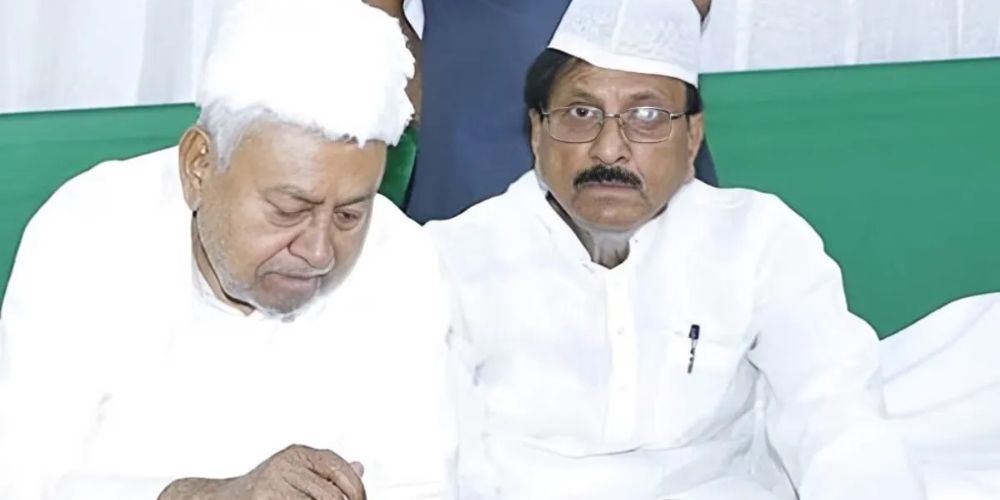
The Waqf Bill has sparked a fresh political debate after JDU MLC Ghulam Gauss demanded its withdrawal, citing concerns over its implications for waqf properties and community rights. His opposition to the bill reflects the growing dissatisfaction among certain political and community leaders who believe the proposed changes could undermine waqf institutions.
The call for the Waqf Bill withdrawal has intensified discussions on whether the legislation adequately protects the interests of waqf properties or imposes excessive government control. With multiple stakeholders weighing in on the issue, the controversy surrounding the bill continues to gain momentum, making it a focal point of parliamentary and public discourse.
Ghulam Gauss and His Opposition to the Waqf Bill
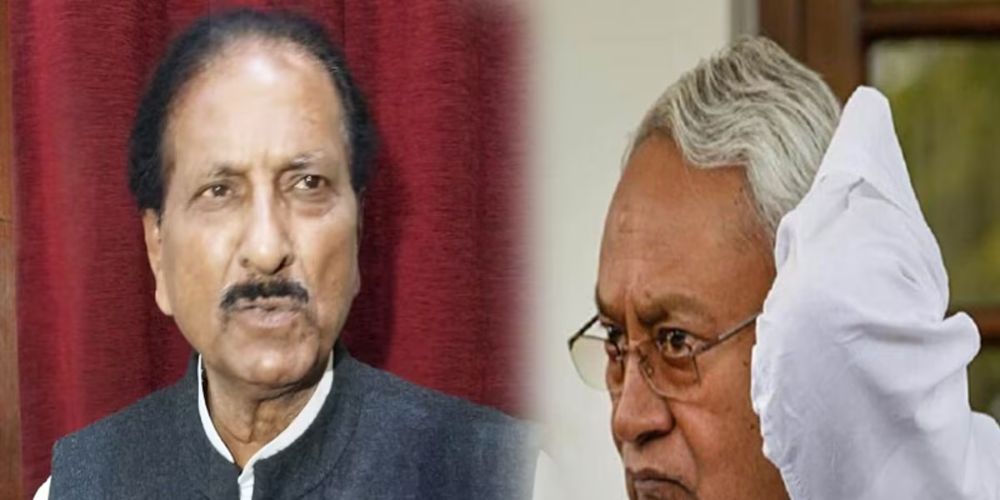
JDU MLC Ghulam Gauss has emerged as one of the vocal critics of the Waqf Bill, expressing strong reservations about its impact on waqf properties and governance. According to him, the bill could potentially infringe upon the autonomy of waqf boards, making it difficult for them to manage properties effectively. His demand for the Waqf Bill withdrawal stems from concerns that the proposed changes might disrupt the existing legal framework governing waqf assets.
Gauss’s opposition aligns with sentiments shared by several community organizations that fear the bill could introduce additional bureaucratic hurdles. The argument is that instead of improving waqf management, the legislation might complicate administrative processes and limit the ability of waqf institutions to function independently. His stance reflects a broader debate over whether the bill serves as a reformative measure or an intrusive regulatory intervention.
Political Reactions and Parliamentary Discourse
The demand for the Waqf Bill withdrawal has sparked political reactions across party lines, with different factions taking varying positions. While the government maintains that the bill aims to enhance transparency and efficiency in waqf property management, opposition voices argue that it could lead to unnecessary interference in religious and community affairs.
Within JDU, Gauss’s position highlights internal differences on the issue. While some members of the party support the bill as a necessary reform, others, including Gauss, see it as problematic. The broader opposition parties have also seized the opportunity to criticize the government’s approach, questioning the necessity of the bill and the lack of extensive consultations with stakeholders before its introduction.
The Larger Debate on Waqf Property Governance
At the core of the demand for the Waqf Bill withdrawal is the larger debate on waqf property governance in India. Waqf assets, which include land and resources dedicated for charitable and religious purposes, have historically played a significant role in community welfare. However, concerns over mismanagement, illegal encroachments, and lack of transparency have often led to calls for reform.
The government argues that the Waqf Bill aims to address these challenges by introducing stricter regulations and oversight mechanisms. However, critics fear that these measures might be excessive, leading to an erosion of waqf board autonomy. The challenge lies in striking a balance between governance and independence, ensuring that waqf properties remain protected without unnecessary bureaucratic intervention.
Conclusion
Ghulam Gauss’s demand for the Waqf Bill withdrawal has intensified the debate surrounding the legislation, bringing attention to concerns about governance, autonomy, and political interests. While the bill is positioned as a reform initiative, opposition from key political and community figures indicates that its implementation may not be straightforward. The discussions in Parliament and beyond will determine whether the bill undergoes modifications, faces rejection, or moves forward despite resistance. As the debate unfolds, the future of waqf governance in India remains a subject of significant political and legal deliberation.
For More News Update –Dailynewfeeds Visit the website and get the daily worldwide news update now