
Introduction
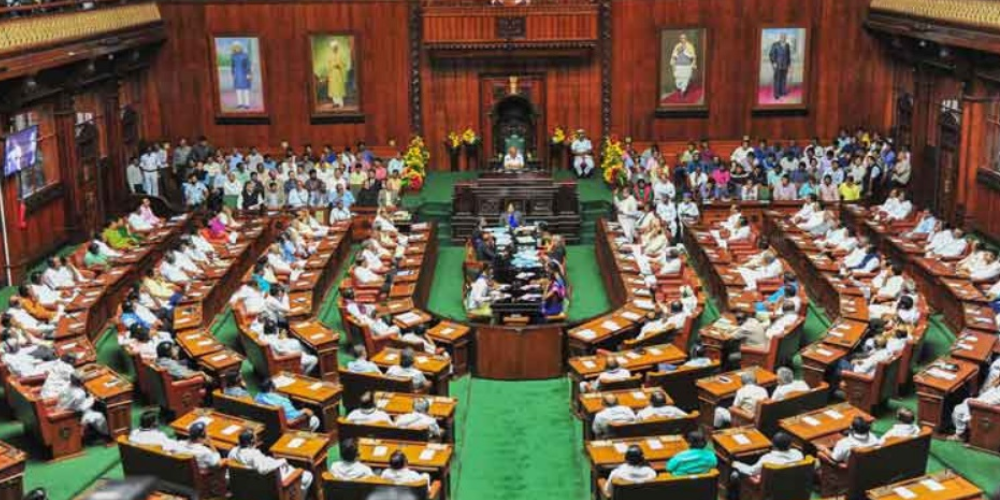
A political showdown unfolded in the Karnataka Assembly as the state government passed a resolution opposing the Centre’s proposed Waqf Bill. The move triggered a strong reaction from the opposition, with BJP legislators staging a walkout in protest. The resolution, introduced by the ruling party, reflects growing tensions between the state and central governments over the handling of Waqf properties and religious institutions.
The Waqf Bill, which aims to bring reforms in the management of Waqf properties, has sparked widespread debate. While supporters argue that it is necessary for transparency and efficiency, critics believe it could undermine state autonomy and minority rights.
Karnataka’s Opposition to the Waqf Bill
The Karnataka government’s resolution against the Waqf Bill is rooted in concerns that the proposed legislation could centralize control over Waqf properties, limiting the role of state authorities in their management. The ruling party in Karnataka has argued that the Bill goes against the principles of federalism by allowing the Centre to exert greater influence over religious endowments and charitable institutions.
Leaders backing the resolution claim that Waqf boards should remain under state jurisdiction to ensure better governance and protection of minority interests. They fear that centralizing control could lead to mismanagement or political interference in the administration of these properties.
BJP’s Walkout and Political Reactions
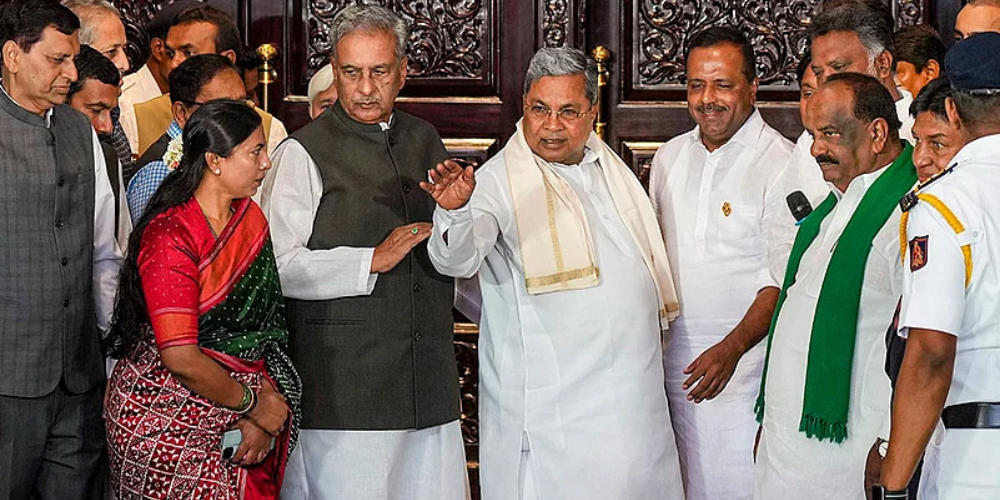
The passing of the resolution led to a sharp political divide, with BJP members staging a walkout in protest. BJP leaders accused the Karnataka government of politicizing the issue and creating unnecessary resistance against a Bill that aims to bring transparency and efficiency in Waqf management. They argue that the opposition to the Bill is driven by political motives rather than genuine concerns over governance.
Meanwhile, various political and religious organizations have weighed in on the issue. While some minority groups have expressed concerns over the implications of the Bill, others believe that reforms are necessary to prevent corruption and mismanagement within Waqf institutions.
The Broader Implications
The Karnataka Assembly’s resolution against the Centre’s Waqf Bill highlights a growing trend of state governments challenging central policies on matters of religious and administrative significance. The development could set the stage for further legal and political confrontations as states assert their autonomy in managing religious endowments.
If more states join Karnataka in opposing the Bill, the Centre may face increased pressure to reconsider certain provisions or engage in discussions with stakeholders. At the same time, the BJP-led central government is expected to push forward with its legislative agenda, arguing that reforms are necessary for better governance.
Conclusion
The passage of the resolution against the Waqf Bill in the Karnataka Assembly and the subsequent BJP walkout reflect the deepening divide between the state and central governments on matters of governance and religious institutions. As the debate over the Bill continues, its impact on federalism, minority rights, and Waqf property management will remain at the center of political discourse. Whether the Centre makes amendments to address state concerns or moves forward with its proposed reforms will shape the future of Waqf administration in India.


