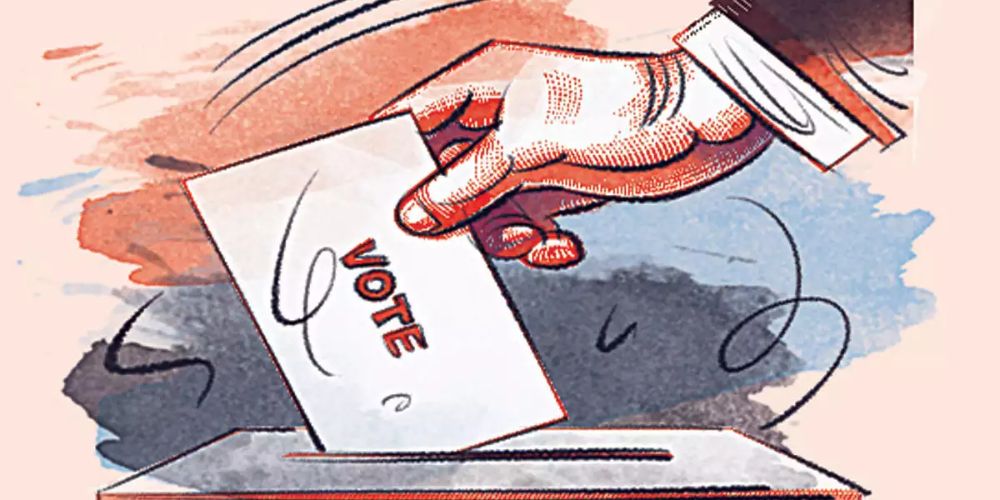
In a significant move towards inclusive democracy, a parliamentary panel has recommended granting Non-Resident Indians (NRIs) the right to vote through proxy voting and electronic ballot systems. Chaired by Congress leader Shashi Tharoor, the Parliamentary Panel on External Affairs has urged the Ministry of External Affairs to expedite discussions with the Law Ministry to implement these voting mechanisms. The committee emphasized that facilitating NRI voting would necessitate amendments to the Representation of the People Act, 1950, and consultations with various political parties to ensure a comprehensive approach.
Current Voting Provisions for NRIs
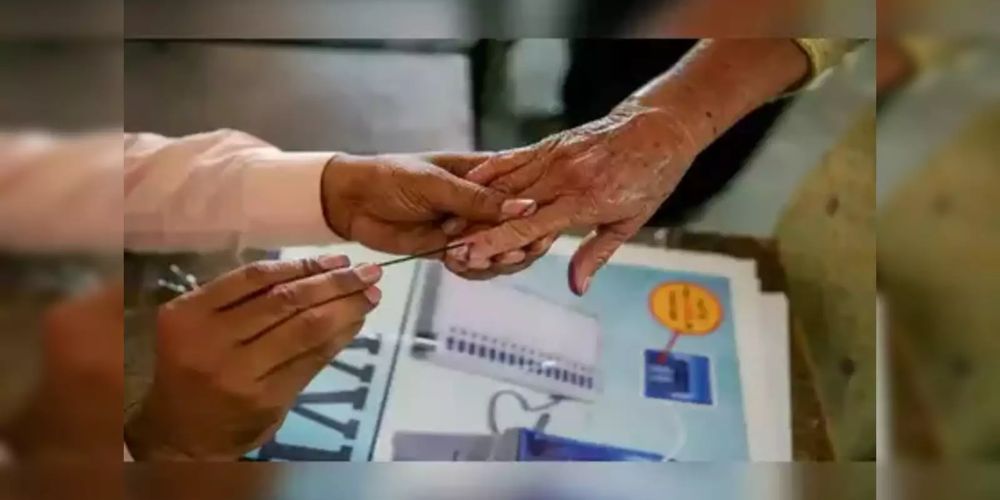
As of now, NRIs can register as overseas electors, provided they have not acquired citizenship of another country. They are eligible to vote in the constituency where their residence, as mentioned in their passport, is located. However, the existing process mandates that NRIs must be physically present at their respective polling stations in India to cast their votes, which poses significant logistical challenges. Consequently, voter turnout among NRIs has been notably low.
Proposed Voting Mechanisms
The panel’s proposal includes two primary methods to enable NRI participation in elections:
- Proxy Voting: This method would allow NRIs to appoint a trusted representative residing in India to vote on their behalf. While proxy voting could enhance participation, it raises concerns about the authenticity and security of the vote, necessitating robust safeguards to maintain electoral integrity.
- Electronic Ballot System (E-Ballots): E-ballots would enable NRIs to cast their votes electronically from their country of residence. This approach aims to simplify the voting process and increase accessibility. However, implementing e-ballots requires addressing challenges related to cybersecurity, voter verification, and maintaining the secrecy of the ballot.
Historical Context and Debates
The discourse on NRI voting rights is not new. In 2015, the government expressed support for e-ballot voting for NRIs, indicating a willingness to adopt technological solutions to facilitate their participation in elections. Additionally, discussions have considered setting up polling booths at Indian embassies and consulates worldwide to enable NRIs to vote in person.
Challenges and Considerations
Implementing proxy and e-ballot voting systems for NRIs involves several challenges:
- Legal Amendments: Amending the Representation of the People Act, 1950, is essential to accommodate these new voting methods. Such amendments require careful drafting to address potential legal and constitutional implications.
- Technological Infrastructure: Establishing a secure and reliable electronic voting system demands significant investment in technology and infrastructure. Ensuring the system’s resilience against cyber threats is paramount.
- Voter Verification and Security: Maintaining the integrity of the electoral process necessitates robust mechanisms for voter identification and authentication, especially in remote voting scenarios.
- Political Consensus: Engaging with political parties to build consensus on these reforms is crucial for their successful implementation. Addressing concerns about the potential impact on electoral outcomes and ensuring a level playing field are vital considerations.
Conclusion
The parliamentary panel’s recommendation to introduce proxy and electronic voting for NRIs marks a progressive step towards inclusive electoral participation. By addressing the logistical barriers that NRIs face, these measures have the potential to strengthen democratic engagement among the Indian diaspora. However, careful planning, extensive consultations, and meticulous implementation are imperative to ensure that these voting methods uphold the principles of transparency, security, and fairness in the electoral process. As India moves towards embracing these reforms, it sets a precedent for leveraging technology to enhance democratic participation globally.