UN Calls for Urgent Action to Support Rohingya Refugees
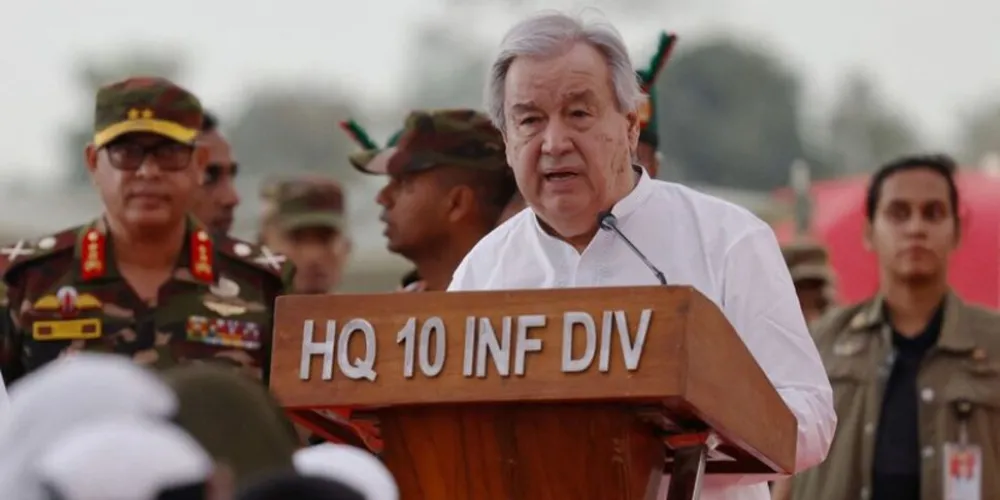
United Nations Secretary-General António Guterres has renewed his commitment to alleviating the suffering of Rohingya refugees in Bangladesh. During his recent visit to the camps in Cox’s Bazar, he emphasized the urgent need for continued humanitarian assistance, warning that aid cuts could have devastating consequences. The Rohingya, who fled Myanmar to escape persecution, now face increasing hardship due to dwindling resources and international funding shortages.
The UN chief called on the global community to step up support and prevent further deterioration of living conditions in the refugee camps. Food shortages, limited healthcare access, and security concerns are already impacting the well-being of the displaced population. Without immediate intervention, these challenges could worsen, increasing the risk of malnutrition, disease, and social unrest.
Impact of Aid Cuts on Rohingya Refugees
Bangladesh has been hosting more than a million Rohingya refugees, providing shelter and basic necessities despite its own economic struggles. However, recent aid cuts have put an immense strain on the support system. The World Food Programme (WFP) has already reduced food rations due to a lack of funding, and further reductions are expected if additional aid is not secured.
Refugees in Cox’s Bazar rely heavily on international aid for survival. Many have no legal work opportunities and are confined to the camps, making them entirely dependent on food distributions and medical services. The reduction in aid threatens their stability, forcing families to make difficult choices about food, healthcare, and education for their children.

The UN’s Efforts and Global Responsibility
Guterres assured the Rohingya community that he would advocate for renewed funding and stronger global support. He urged international donors to recognize the severity of the crisis and ensure that the refugees are not abandoned. The UN continues to work closely with humanitarian organizations to provide essential services, but without sufficient funding, these efforts may not be sustainable.
The UN Secretary-General also acknowledged Bangladesh’s generosity in hosting the Rohingya and called for a more equitable distribution of responsibility among the global community. He stressed the importance of long-term solutions, including diplomatic efforts to ensure the safe and voluntary repatriation of the Rohingya to Myanmar when conditions allow.
The Road Ahead for the Rohingya Community
While the immediate concern is securing enough aid to sustain the refugees, long-term solutions must also be considered. The Rohingya crisis remains unresolved, with no clear pathway to repatriation. Political instability in Myanmar has made it difficult to negotiate their return, and many Rohingya fear persecution if they go back without guaranteed rights and protections.
For now, the focus remains on ensuring that the Rohingya have access to basic necessities and a dignified existence. The UN’s appeal for increased funding highlights the urgent need for sustained humanitarian assistance. Without global action, the Rohingya face an uncertain future, caught between a history of persecution and the challenges of displacement.
As the crisis continues, the world must not turn its back on one of the most vulnerable populations. The Rohingya need more than just temporary relief—they need a long-term commitment from the international community to secure their rights, safety, and future.