Introduction
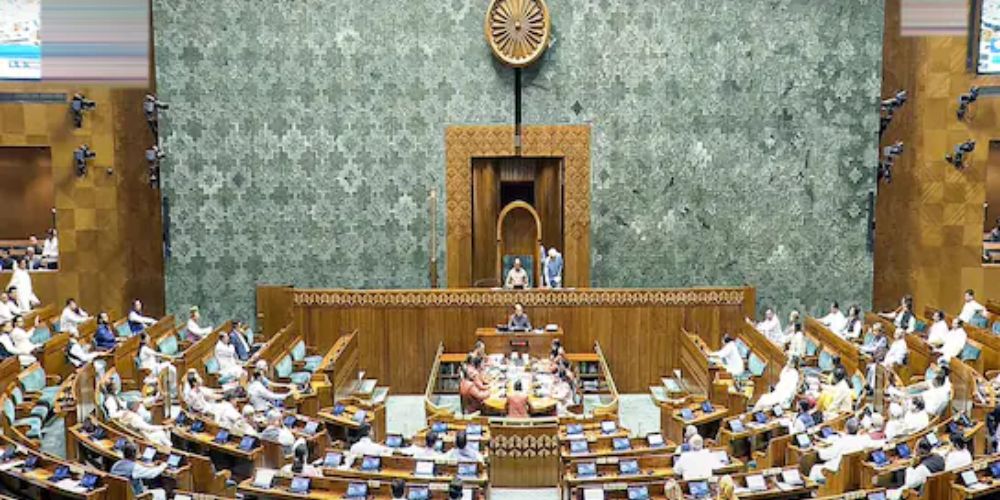
The Waqf Bill is scheduled to be tabled in the Lok Sabha today, with an extensive eight-hour discussion planned to address its provisions, implications, and controversies. Given the significance of waqf properties and their management in India, the bill has garnered widespread attention from lawmakers, legal experts, and community stakeholders. The proposed amendments aim to streamline governance, enhance transparency, and address concerns surrounding waqf land administration.
The upcoming debate is expected to be intense, with political parties presenting differing perspectives on the legislation. While some view the Waqf Bill as a necessary reform to strengthen legal oversight, others argue that it could have far-reaching implications for community rights and land management. As the discussion unfolds, the focus will remain on how the bill balances governance with the historical and social importance of waqf institutions.
The Importance of the Waqf Bill in Indian Governance
Waqf properties have played a crucial role in India’s historical and religious landscape, providing land and assets for charitable, educational, and religious purposes. Managed by waqf boards under legal provisions, these properties are meant to serve the community’s interests while being protected from unauthorized encroachments and mismanagement.
Over the years, concerns have been raised regarding the transparency and accountability of waqf boards, leading to calls for legislative changes. The Waqf Bill seeks to introduce reforms that will improve oversight, prevent illegal transactions, and ensure the efficient use of waqf assets. As India’s legal framework evolves, the bill represents an effort to modernize governance mechanisms without undermining the traditional significance of waqf properties.
Key Provisions and Areas of Debate
The Waqf Bill includes several key provisions aimed at improving regulatory oversight and addressing concerns related to waqf property management. One of the most debated aspects is the proposed changes in the powers of waqf boards and their autonomy in decision-making. The bill also outlines stricter measures to prevent encroachment and misuse of waqf properties, ensuring that these assets serve their intended purpose.
However, the bill has faced criticism from various quarters, with concerns that certain provisions may lead to increased government intervention in waqf matters. Some stakeholders fear that the new regulations could impose additional bureaucratic hurdles, potentially affecting the smooth functioning of waqf institutions. The upcoming discussion in the Lok Sabha will be crucial in determining how these issues are addressed and whether amendments will be made to accommodate differing viewpoints.
The Political and Social Implications of the Waqf Bill
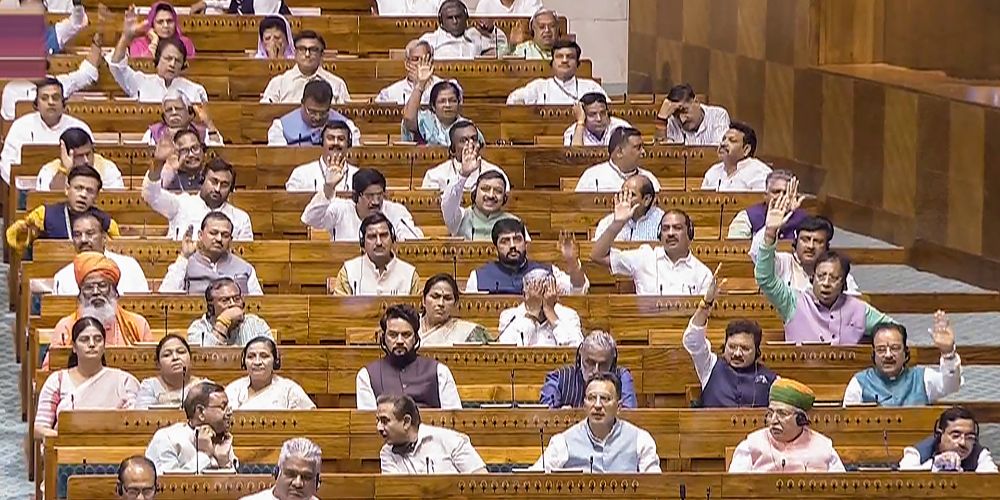
The introduction of the Waqf Bill in the Lok Sabha has sparked significant political and social discourse. Political parties have taken varied positions, with some advocating for stronger governance mechanisms while others emphasize the need to protect the autonomy of waqf institutions. The debate is not just about legal provisions but also about broader issues of religious and community rights.
From a social perspective, waqf properties have historically supported welfare activities, including education, healthcare, and housing for marginalized communities. Any changes in their governance structure could impact these services, making it essential to ensure that reforms do not disrupt existing community benefits. The discussion in Parliament will determine whether the bill effectively balances regulatory oversight with the preservation of waqf’s intended role in society.
Conclusion
As the Waqf Bill is tabled in the Lok Sabha for an eight-hour discussion, all eyes will be on how lawmakers navigate the complexities of governance, transparency, and community concerns. The bill has the potential to bring significant reforms to waqf property management, but it must be carefully structured to ensure that it does not undermine the historical and social importance of these assets. The outcome of the debate will shape the future of waqf governance in India, setting the stage for potential legal and policy changes in the coming years.
For News Update –Dailynewfeeds